
Robotic Data Services
Build the Data Your Physical AI Program Needs
Real-world data for robots, autonomous systems and Physical AI.
Training a machine to operate in the physical world requires more than a model. It requires the right environments. The right people. The right interactions. The right sensors. And enough high-quality data to turn intelligence into real-world capability.
Robotic Data designs, captures, processes and delivers real-world datasets for Physical AI — from an initial pilot to global-scale deployment.
What does your system need to learn?
Tell us what you're building. We'll help identify the data required to build it.
What are you trying to teach your system?
Every Physical AI program has a different data challenge.
Select the capability closest to what you're building.
NAVIGATE
Teach machines to understand where they are and move safely through the physical world.
High-fidelity spatial datasets for autonomous vehicles, mobile robots, drones and location-aware AI.
- Street-level LiDAR
- 360° imagery
- Precision positioning
- HD maps
- Indoor mapping
- Pedestrian environments
- Localization datasets
- Change detection
PERCEIVE
Give AI a richer understanding of the environments in which it will operate.
Capture roads, buildings, infrastructure, industrial facilities, campuses and complex real-world environments from multiple perspectives.
- LiDAR
- High-resolution imagery
- Aerial imagery
- Point clouds
- Semantic features
- 3D reconstruction
- Gaussian Splats
- Digital twins
- Environmental context
MANIPULATE
Build datasets that teach robots how people interact with objects and perform physical tasks.
Capture structured task episodes with task and object variation, outcomes, failures, corrections and recovery — not just successful demonstrations.
- Structured task episodes
- Task and object variation
- Outcome annotation
- Failure and recovery cases
- Correction signals
- Fine motor tasks
- Object interaction
- Pick-and-place activities
- Tool use
- Household tasks
- Industrial tasks
- Human demonstrations
- Egocentric video
- Motion capture
INTERACT
Help machines understand the people they'll work alongside.
Capture the signals Physical AI needs to understand human behavior, communication, intent and social interaction.
- Human movement
- Gestures
- Speech
- Conversation
- Audio
- Human-to-human interaction
- Human-to-robot interaction
- Behavioral context
- Multi-person activities
SIMULATE
Turn reality into training environments.
Create detailed representations of real places, objects and interactions for simulation, synthetic-data pipelines, model evaluation and digital twins.
- 3D environments
- LiDAR
- Digital twins
- Gaussian Splats
- Semantic datasets
- Terrain models
- Indoor environments
- Street environments
- Real-world validation datasets
SCALE
Move from a successful experiment to an enterprise data program.
We design and operate repeatable collection programs for organizations that need consistent data across cities, countries, populations or thousands of participants.
- Multi-country collection
- Participant recruitment
- Large-scale sensor deployment
- Repeatable collection protocols
- Quality assurance
- Data processing
- Annotation and structuring
- AI-ready delivery
Two data pillars. One physical world.
World Data — Teach Machines Where They Are
World Data creates the spatial intelligence machines need to perceive, localize, navigate and reason about real environments. Robotic Data combines multiple perspectives to create high-fidelity representations of the physical world.
Street-Level Data
Capture roads, cities and transportation environments using high-density LiDAR, high-resolution imagery and precision positioning. Available as custom worldwide collection programs or through Robotic Data's expanding SYMBO Network in the United States.
Ideal for
Autonomous vehicles · HD mapping · localization · infrastructure intelligence · change detection · digital twins · AI training
I Need Street-Level Data →Aerial Data
Capture entire sites, cities, regions or countries from above using fixed-wing aircraft, helicopters and drone platforms. Data products can include LiDAR, orthophotography, elevation models, surface models, terrain models and GIS-ready layers.
Ideal for
Drone autonomy · terrain intelligence · infrastructure mapping · digital twins · simulation · asset inventory · change detection
I Need Aerial Data →Indoor & Pedestrian Data
Capture the environments vehicles and aircraft cannot reach. Portable mapping platforms create high-detail representations of warehouses, factories, airports, hospitals, campuses, retail environments and transit facilities.
Ideal for
Humanoid robotics · AMRs · warehouse automation · indoor navigation · facility intelligence · simulation
I Need Indoor / Pedestrian Data →Human Data
Human Data — Teach Machines What People Do
A map tells a robot where it is. It does not tell it how to pick a carton off a shelf, hand a tray to a colleague, or step aside when someone walks into the aisle. Those behaviours have to be demonstrated by people, at scale, in the environments where the work actually happens.
Robotic Data runs multimodal Human Data programs for humanoid robots, embodied AI, foundation models and vision-language-action systems — capturing manipulation, task completion, interaction and human-robot collaboration as structured, AI-ready episodes.
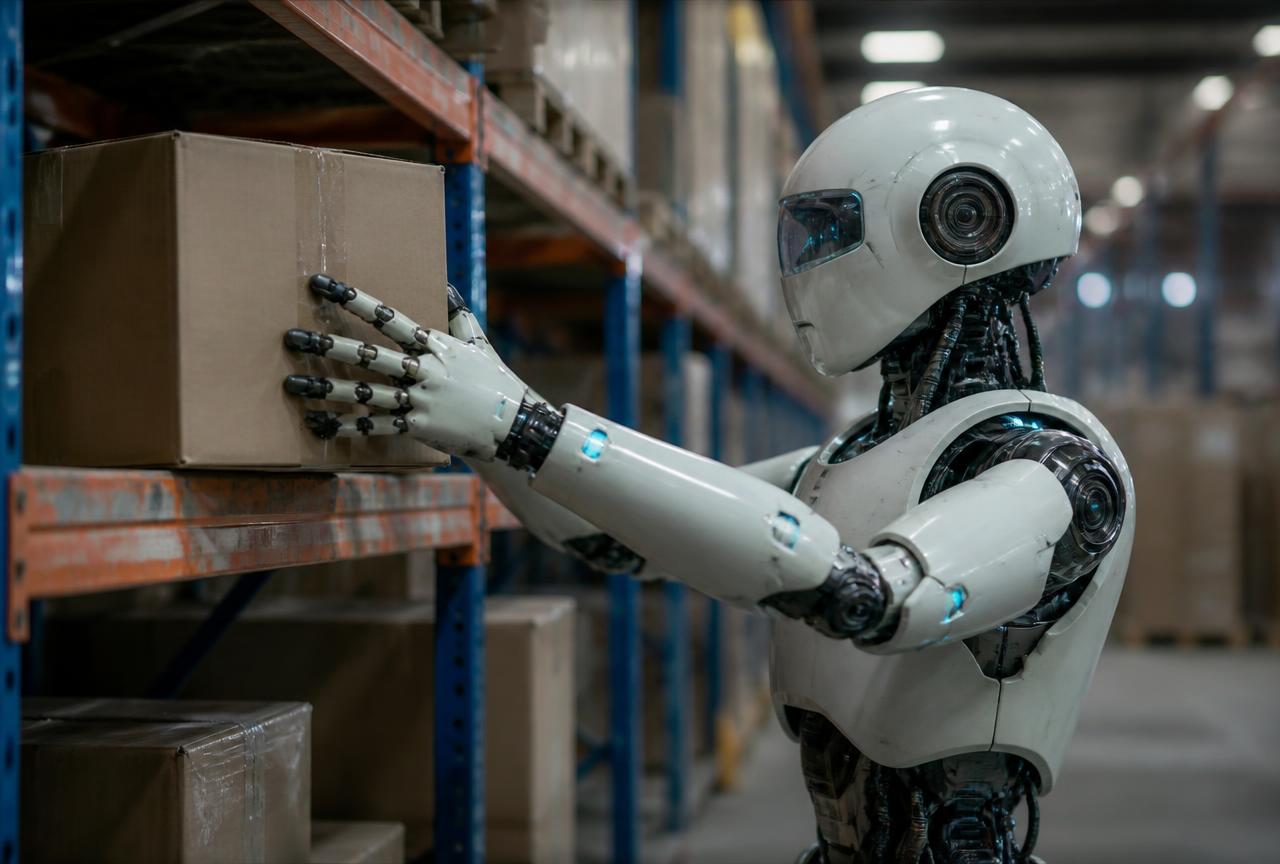
Human Task Data
Capture people performing the physical work your robot must reproduce: reaching, grasping, lifting, placing, stacking, sorting, opening, closing, assembling and using tools. Each task is captured from multiple viewpoints with synchronized egocentric video, third-person video, hand and object tracking and motion capture.
Ideal for
Humanoid manipulation · pick-and-place · imitation learning · data for VLA training · dexterous grasping · tool use · task decomposition
I Need Human Task Data →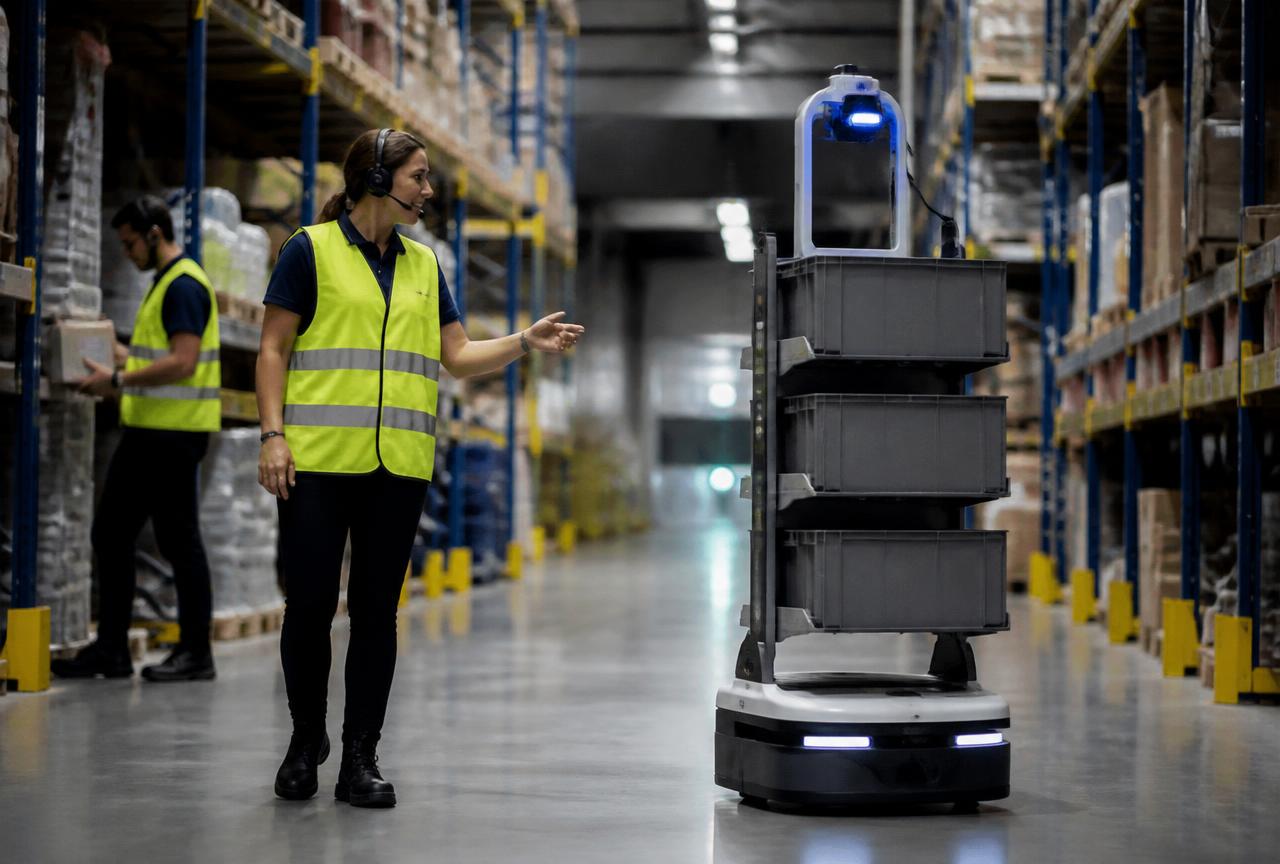
Human Interaction Data
Capture what happens when people and machines share a space: handovers, instructions, gestures, speech, hesitation, right-of-way, crowding, correction and recovery when a task goes wrong. Multi-person scenes are annotated for intent, attention and behavioral context.
Ideal for
Human-robot collaboration · safety and proximity behavior · speech and gesture understanding · service robotics · shared workspaces
I Need Human Interaction Data →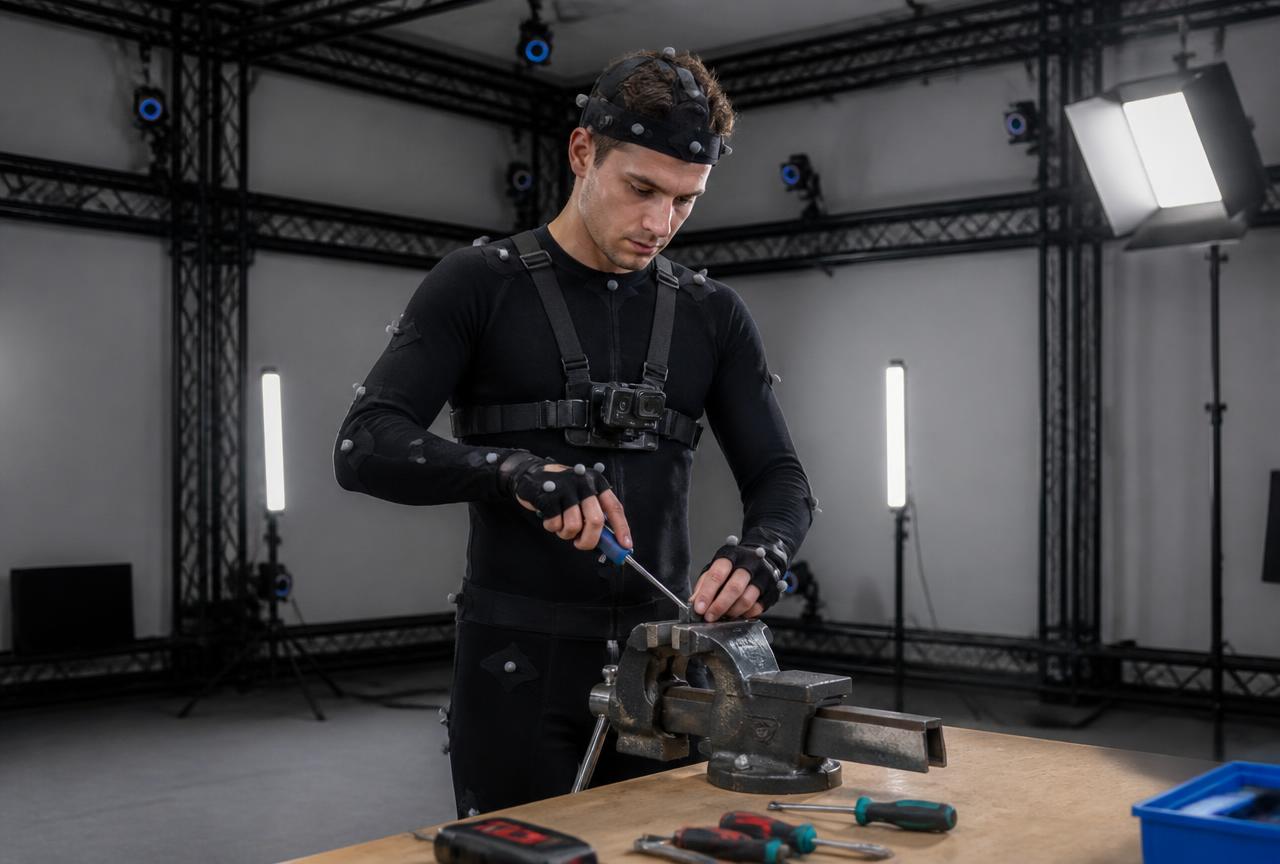
Human Demonstration Programs
Run repeatable demonstration studies at volume. We recruit participants, script and vary the tasks, standardize the sensor rig and deliver thousands of clean, labelled episodes per task family — including deliberate failure and recovery cases most datasets never contain.
Ideal for
Data for foundation model training · large episode counts · long-tail task coverage · benchmark and evaluation sets · data for policy fine-tuning
I Need a Demonstration Program →End-to-end programs including study design, participant recruitment, global collection, quality assurance and AI-ready dataset delivery.
Worked example · Warehouse picking
The Building, the Objects and the People Handling Them
A picking robot needs the facility and the work. We capture both in the same site, on the same coordinate frame: shelf and aisle geometry alongside real demonstrations of grasping, placing and object handoffs.
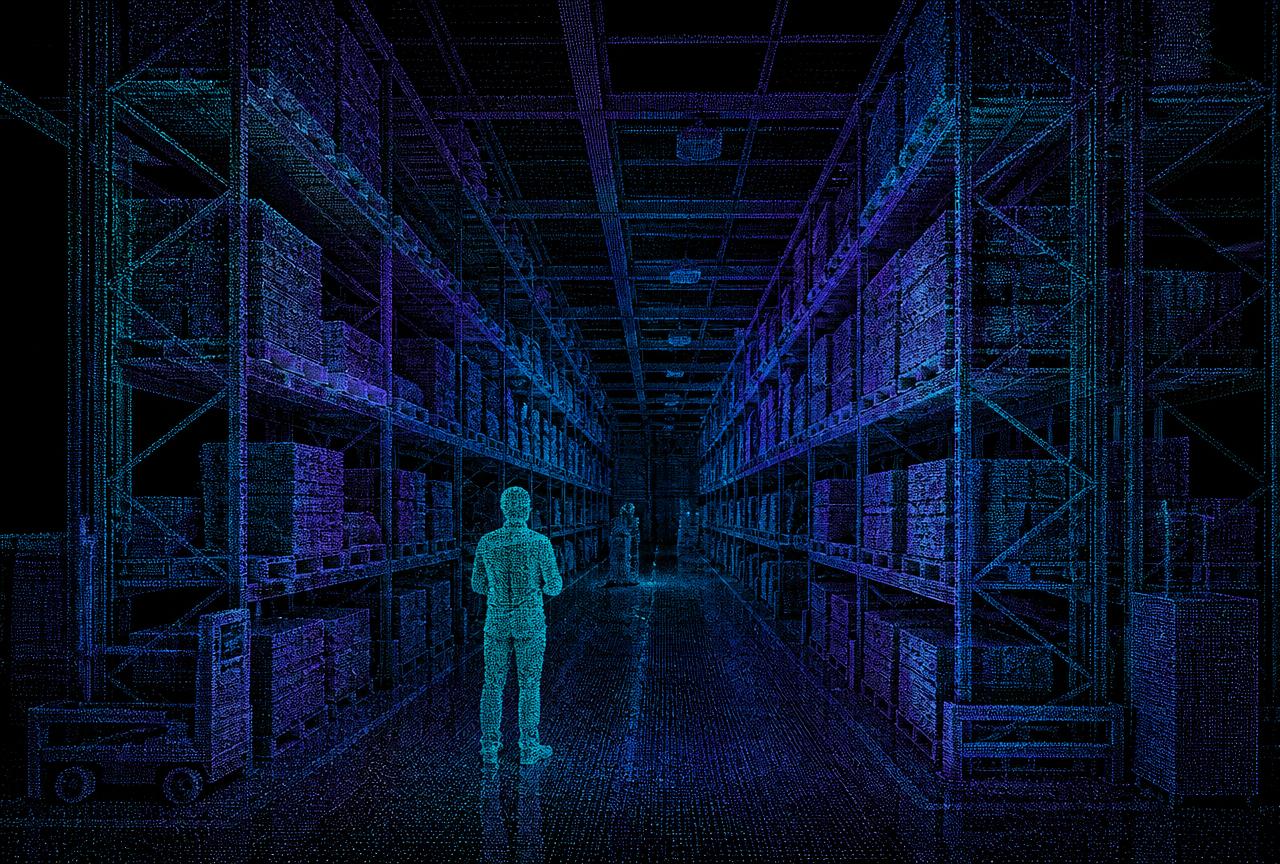
Facility & shelf data
Point clouds, shelf and tote geometry, floor conditions and a simulation-ready digital twin of the exact aisle.
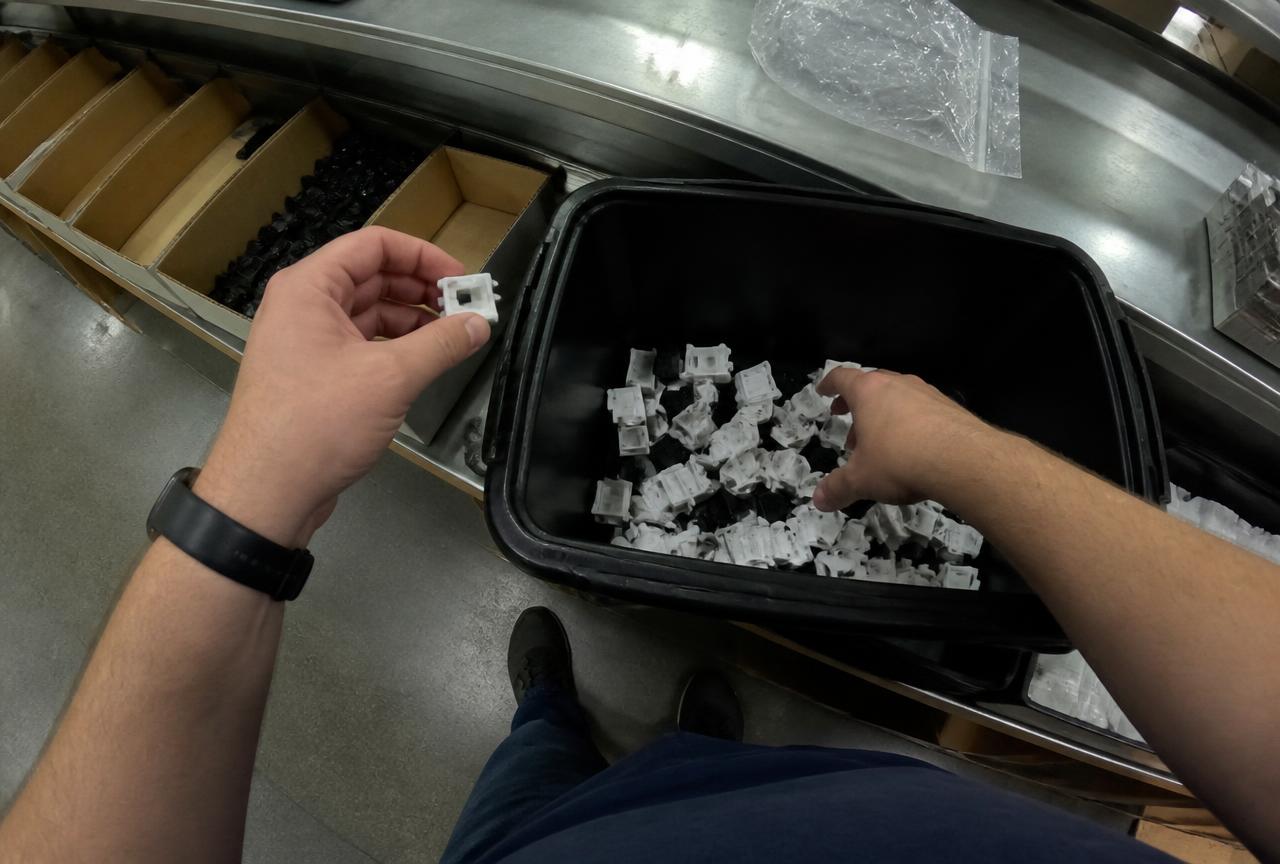
Task demonstrations
Egocentric picking episodes with grasp points, object identity, placement and cycle timing — including regrasps and failures.
01
Map the facility
LiDAR and imagery capture of racking, aisles, floor conditions, tote and carton geometry, signage and lighting — delivered as point clouds, 3D meshes and a simulation-ready digital twin.
02
Record the work
Pickers wear egocentric and chest-mounted cameras while performing real order picking: bin reaching, grasp selection, regrasp, placement into totes, label scanning and carton handling.
03
Capture the handoffs
Person-to-person and person-to-robot handoffs, tote transfers, verbal instruction and gesture, plus the interruptions and corrections that make real workflows messy.
04
Deliver aligned
Every demonstration is spatially registered to the facility twin, so a policy trained on the task data can be evaluated in simulation of the exact environment it was captured in.
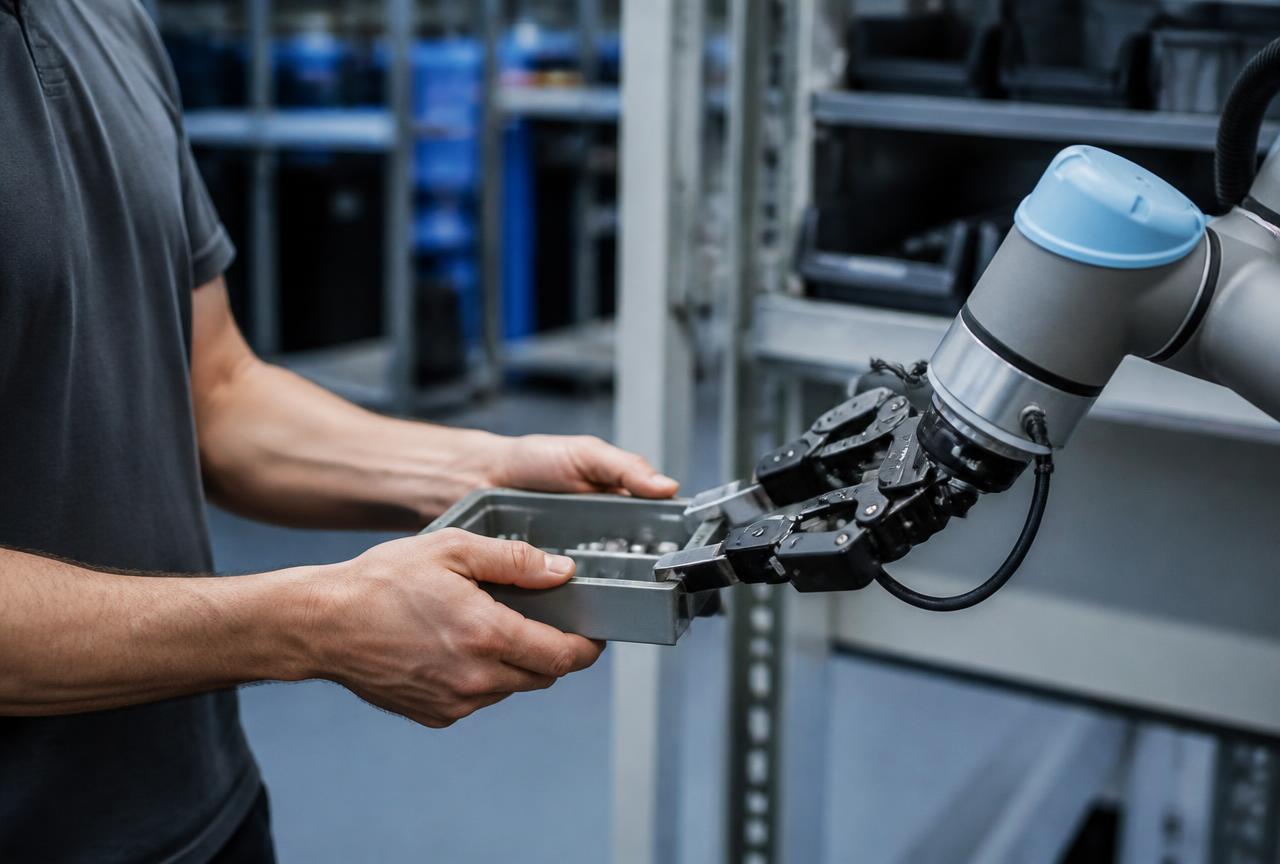
Object handoffs are where most picking programs fail.
We capture the transfer itself — approach, grip change, release timing, the pause when a person isn't ready — so your policy learns the part of the task that never appears in a warehouse scan.
World Data + Human Data
Build the Complete Context for Physical AI
The most capable intelligent machines won't experience people and environments separately. They'll experience them together.
A humanoid working in a warehouse must understand the building, the objects inside it, the people moving through it and the tasks those people perform.
An autonomous delivery system must understand streets, sidewalks, entrances, obstacles and human behavior. A service robot must understand the room around it — and the person asking it to do something.
World Data teaches machines where they are.
Human Data teaches machines what people do.
Together, they provide a richer real-world foundation for machines that need to perceive, reason and act.
From question to dataset
You Define the Capability. We Build the Data Program.
01
Define
What does the model, robot or autonomous system need to learn? We translate a capability requirement into a practical data specification.
02
Design
Environments, participants, tasks, geographies, sensor modalities, capture methodology, data structure and quality requirements.
03
Capture
Real-world collection using the appropriate combination of people, vehicles, aircraft, portable systems, sensors and environments.
04
Process
Captured data is synchronized, structured, quality assured and validated against your acceptance criteria — so recorded hours become usable hours.
05
Deliver
Receive data in the formats required by your training, simulation, validation or production workflow.
06
Scale
Once the methodology works, we expand the program across participants, locations and countries.
Built to scale
Real-World Data Infrastructure for Enterprise Physical AI
26
Countries with delivered operations
100,000+
Hours of Human Data collected
250,000+
Human Data participant network
12+
Countries in the participant network
8+ Years
Supporting large-scale data programs
Scale matters, but usability matters more.
From a pilot study to hundreds of thousands of structured, quality-assured interactions.
Recorded hours only count when they are synchronized, validated and structured against your acceptance criteria.
Not sure what data you need?
Start With the Physical AI Data Assessment
You don't need to arrive with a finished specification. Tell us what you're building and what your system needs to learn. We'll identify the World Data, Human Data or multimodal collection approach most relevant to your program — instantly.
What happens next?
No Generic Sales Call.
Your assessment gives our team context before the conversation begins. We'll look at:
- ↓The capability you're building
- ↓What your system needs to learn
- ↓The environments, people and interactions involved
- ↓The appropriate data modalities
- ↓The likely collection methodology and scale
Then, where there's a fit, we'll discuss the most practical route to a pilot or production program.
Your Model Can Only Learn From the World You Show It.
Give it better data.
World Data. Human Data. Built for Physical AI.
Already have a detailed specification?